
Table of Contents
You love the feeling of a good mask, but you’re not totally sure how often should you do a face mask without making your skin angry. Once a week? Every night? Only before a big event? With so many types of masks out there, it’s normal to feel confused.
This guide walks you through how often to mask based on your skin type, the kind of mask, and what your skin looks and feels like day to day. By the end, you’ll know exactly how to build a mask routine your skin actually enjoys.
Quick Answer: How Often Should You Do a Face Mask?
If you just want a fast rule of thumb, start here:
- Most people: 1–2 times per week is a safe starting point for face masks
- Hydrating masks: Often 2–3 times per week, sometimes more if the formula is very gentle.
- Clay or purifying masks: Usually 1–2, up to 3 times per week if your skin tolerates it
- Exfoliating or peel masks (with acids like AHA/BHA): About 1 time per week, maybe 2 if your skin is used to acids.
From there, you tweak based on your skin type and how your face actually responds.
Why You Can’t Treat Masks Like a Daily Moisturizer
Your daily cleanser and moisturizer are built for regular use. Masks are different.
Face masks are like a stronger “boost” of whatever they do: deep clean, hydrate, calm, or brighten. They often contain higher levels of active ingredients, so if you use them too often, you can:
- Dry out your skin
- Irritate or sensitise it
- Break your skin barrier, which shows up as redness, burning, or random breakouts
Most experts agree masks are a special treatment, not an everyday step for most people.
How Often Should You Do a Face Mask by Skin Type?
Oily or Acne-Prone Skin
If your skin is shiny, you get blackheads or pimples often, or foundation slides off by midday, you probably lean oily.
Good rhythm:
- Clay/charcoal or purifying masks: 2–3 times per week
- Hydrating or soothing masks: 1–2 times per week to balance out any dryness
Clay and charcoal help soak up oil and clear out pores, which is great for oily or breakout-prone skin, but pushing them every night can backfire. Over-drying can make your skin pump out even more oil.
Dry or Dehydrated Skin
If your skin feels tight, flaky, or dull, you’re likely dry or dehydrated (or both).
Good rhythm:
- Rich hydrating or cream masks: 2–3 times per week, especially in cold or dry weather
- Overnight sleeping masks: 1–3 times per week, depending on how your skin feels the next morning
You can often use moisture masks more often than detox masks, as long as the formula is gentle and doesn’t have strong exfoliating acids.
Combination Skin
Combo skin is oily in some areas (usually the T-zone) and normal or dry in others.
Good rhythm:
- Clay mask on oily areas: 1–2 times per week
- Hydrating mask on cheeks or dry spots: 1–2 times per week
You can “multi-mask”: use a clay mask on your T-zone and a hydrating mask on drier areas at the same time. That way you treat each zone based on what it needs instead of using one blanket rule.
Sensitive or Easily Irritated Skin
If your skin stings easily, turns red with new products, or reacts to fragrance, treat masks like strong coffee: a little goes a long way.
Good rhythm:
- Gentle, fragrance-free calming masks: about 1 time per week
- Skip strong clay masks, peel-off masks, and heavy acid masks unless a dermatologist tells you they’re okay
Look for soothing ingredients like aloe, centella, ceramides, or oat.
Normal Skin
If your skin doesn’t freak out often and feels pretty balanced most of the time, you have options.
Good rhythm:
- Any gentle mask: 1–2 times per week
- Add an extra hydrating mask before special events if you want extra glow
With normal skin, your routine is less about fixing problems and more about keeping your skin happy and bright.
How Often Should You Do a Face Mask by Mask Type?
Not all masks work the same way, so you don’t treat them on the same schedule.
Clay or Charcoal Masks
Best for: Oily, acne-prone, or congested skin
- Use 1–2 times per week, up to 3 if your skin is very oily and doesn’t feel tight afterward
- Don’t wait until the mask is bone-dry and cracking; that can pull too much moisture from your skin
Exfoliating Masks (AHA, BHA, PHA, Enzymes)
Best for: Dull, uneven texture, dark spots, fine lines
These masks contain acids or enzymes that dissolve dead skin cells. They can be amazing, but they’re strong.
- Start at 1 time per week
- If your skin is used to acids and feels okay, go up to 2 times per week
- If you feel burning, peeling, or strong tightness, cut back or stop and talk to a pro
Over-exfoliating is one of the fastest ways to damage your skin barrier.
Hydrating or Cream Masks
Best for: Dry, dehydrated, tight, or irritated skin
These masks are often rich with ingredients like hyaluronic acid, glycerin, ceramides, and oils.
- Many people do well with 2–3 times per week
- Some super gentle formulas can even work every other night, especially in winter, as long as your skin feels good after
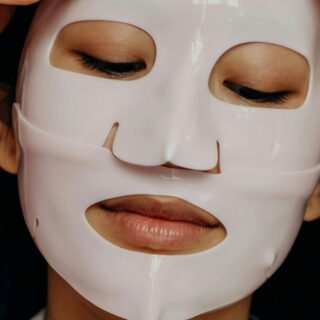
Sheet Masks
Best for: Quick hydration and glow
Sheet masks are usually very hydrating and soothing.
- For most skin: 1–2 times per week is plenty
- Very dry skin can go up to 2–3 times per week, depending on the formula
Peel-Off Masks
Best for: Occasional “treat” use, not a main routine
Peel-off masks can be harsh, especially if you have sensitive or redness-prone skin.
- Use no more than 1 time per week, and skip them if you already use exfoliating acids
Signs You’re Using Face Masks Too Often
Even if you follow general rules, your skin has the final say. Here’s what tells you you’re masking too much or using the wrong type of mask:
- Your skin feels tight and squeaky after every mask
- You see redness, burning, or stinging that doesn’t fade quickly
- Your skin gets flaky, but not in a controlled “light peel” way
- You suddenly have more breakouts or small bumps
- Products that used to feel fine now sting on contact
If you notice these, cut masks out for a week, focus on a simple routine (gentle cleanser + moisturizer + SPF), and then bring masks back slowly.
How to Fit Face Masks Into Your Weekly Routine
Here are a few sample schedules you can copy and tweak.
Simple Glow Routine (Normal or Combo Skin)
- Wednesday night: Hydrating or soothing mask
- Sunday night: Clay or exfoliating mask
This gives you mid-week and pre-week reset moments without overloading your skin.
Acne-Prone or Very Oily Skin
- Monday: Clay or purifying mask
- Thursday: Clay or purifying mask
- Sunday: Hydrating or calming mask to balance things out
Pay attention to how your skin feels. If it gets tight or flaky, drop one clay day and keep the hydrating one.
Dry or Dehydrated Skin
- Tuesday: Hydrating mask
- Thursday: Hydrating or sleeping mask
- Sunday: Hydrating mask again, maybe paired with a super gentle exfoliating mask if your skin tolerates it
In winter, you might use an overnight mask more often; in summer, you might dial it back.
Sensitive Skin
- One “mask night” per week: Soft, fragrance-free calming mask
Skip masks completely on weeks your skin is already upset from weather, hormones, or a new product.
How to Get the Most Out of Every Face Mask
Once you figure out how often you should do a face mask, you can boost the results with a few simple habits.
1. Start With Clean Skin
Always use your mask on freshly cleansed skin. If your face is still covered in makeup, sunscreen, or oil, the mask can’t sit directly on your skin and won’t work as well.
2. Follow the Directions on the Package
Each mask has its own timing and use instructions. Some need 10–15 minutes, some only 5, some are made for overnight. Don’t copy a random time you saw online; check the label for that specific product.
3. Don’t Leave It On “Just a Bit Longer”
More time doesn’t always mean more results. Leaving clay or exfoliating masks on too long can dry or irritate your skin. If the label says 10 minutes, stick close to that.
4. Always Moisturize After
After rinsing or removing your mask, gently pat your face dry and follow with:
- Hydrating serum (if you use one)
- Moisturizer
- SPF in the daytime
Masks often soften and prep your skin, so this is a great moment to layer in hydration and lock it in.
5. Watch How Your Skin Reacts Over a Month
Your skin’s reaction over time matters more than any one “glow” moment. For the next 3–4 weeks:
- Notice if you get fewer breakouts
- Check if dry patches shrink
- See if redness improves or gets worse
If your skin looks calmer and feels comfortable, your mask frequency is probably working for you. If not, pull back or switch to gentler masks.
6. When to Ask a Pro
If you have skin conditions like rosacea, eczema, or frequent cystic acne, chat with a dermatologist before adding strong masks, especially exfoliating ones. They can help you pick formulas and say exactly how often you should use them for your situation.
Your Face Mask Game Plan
So, how often should you do a face mask? Here’s your simple cheat sheet:
- Start with 1–2 times per week
- Use hydrating masks more often, clay and exfoliating masks less often
- Adjust based on your skin type and how your face actually feels
- Cut back if you see redness, burning, or flaking
From here, build a small “mask wardrobe” that suits your skin and your schedule. With a smart rhythm, you enjoy all the spa vibes and real skin benefits—without overdoing it.